
A 6,000-passenger Caribbean ship, a Danube river cruise between historic cities, a small luxury yacht visiting Greek islands, and a Zodiac expedition in Antarctica can all get called “a cruise.” In practice, they offer very different schedules, ships, dining, port experiences, and price structures. This guide compares the four major cruise styles so you can narrow down the category worth researching further before picking a specific line or sailing.
The Short Answer
- Ocean cruise — for families, groups, and travelers who want a ship full of options: multiple restaurants, shows, pools, kids’ clubs, and a wide range of cabin prices.
- River cruise — for culture-focused travelers who want cities and towns close to the ship, with quieter evenings and more attention on history, food, and scenery.
- Yacht or small-ship cruise — for travelers who value intimacy, smaller ports, and an upscale, relaxed atmosphere with fewer fellow passengers.
- Expedition cruise — for travelers whose priority is wildlife, remote places, and active exploration with naturalists and expedition guides.
That’s the short version. The differences become clearer once you compare what an actual day on each looks like.
Master Comparison
Passenger counts, inclusions, and onboard facilities vary by vessel and operator — treat this as a starting point, not a substitute for reviewing the actual ship and itinerary.
| Factor | Ocean | River | Yacht/Small Ship | Expedition |
|---|---|---|---|---|
| Passenger count | Several hundred to several thousand | Often ~100–200 | Usually fewer than a large ocean ship | Often ~100–500, with destination-specific rules |
| Primary focus | Ship amenities plus destinations | Cities, culture, scenery | Intimacy, service, smaller ports | Wildlife, remote landscapes, exploration |
| Entertainment | Shows, live music, nightlife on many ships | Lectures, local performers, destination programming | Low-key music and conversation | Expert lectures, briefings, recaps |
| Dress | Casual to smart casual, formal nights on some lines | Relaxed to polished casual | Resort or upscale casual | Practical outdoor clothing; relaxed onboard |
| Included excursions | Often separate unless included by fare | Often included, but never assume it | Varies widely | Often included, depending on operator |
| Best destinations | Caribbean, Alaska, Mediterranean, worldwide | Danube, Rhine, Seine, Rhône, Nile, Mekong | Greek Islands, Croatia, French Polynesia, coastal Europe | Antarctica, Arctic, Galápagos, Greenland |
| Biggest trade-off | Crowds, walking, paid extras on larger ships | Less entertainment, structured sightseeing pace | Fewer venues, higher pricing | Weather-dependent plans, physical demands |
Ocean Cruising: The Broadest Menu
Ocean cruising is what most people picture when they hear “cruise.” The ship functions as a resort, restaurant collection, and entertainment venue as much as transportation, with multiple dining venues, theater productions, pools, kids’ and teen programs, fitness centers, and — on applicable ships — casinos. Representative brands include Royal Caribbean, Norwegian Cruise Line, MSC Cruises, Carnival, Princess, Celebrity, Holland America, and Virgin Voyages, though even ships within the same company can differ substantially by age, class, size, dining, and cabin layout.
Strengths: a broad budget range from value cabins to premium suites, the strongest family infrastructure on larger ships, extensive entertainment, and sea days that can be as active or relaxed as you choose. Considerations: large ships mean more walking between venues, popular restaurants and shows may need reservations, and the lowest advertised fare typically excludes beverages, Wi-Fi, specialty dining, and excursions.
A typical sea day: breakfast, pool or fitness time, lunch, an afternoon activity or show, dinner, then a theater production or live music. A typical port day: breakfast, a shore excursion or independent exploration, return before the ship’s all-aboard time, then dinner and evening entertainment.
River Cruising: The Destination Stays in the Foreground
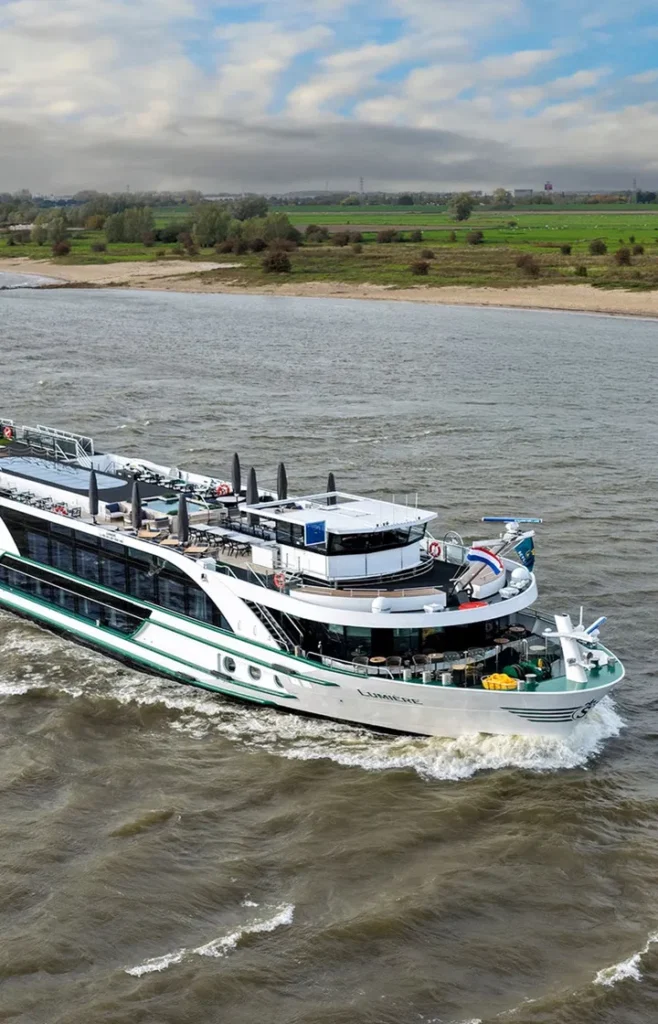
River cruises operate on inland waterways — the Danube, Rhine, Rhône, Seine, Nile, Mekong — and must work within the limits of locks, bridges, and water levels, so river ships are generally much smaller than ocean ships. A typical itinerary includes frequent port stops, guided walking tours, scenic sailing through vineyards or countryside, and a quieter onboard atmosphere. Representative brands include Viking, AmaWaterways, Avalon Waterways, Uniworld, Tauck, Scenic, and Emerald — their fares, excursion inclusions, and age policies differ, so “river cruise” describes a setting and vessel type, not one universal package.
River cruising isn’t only for older travelers — it often appeals to adults of any age interested in European history, architecture, food and wine, and walking tours. It doesn’t necessarily mean inactivity either: many itineraries include cycling or hiking options. It generally offers less youth infrastructure than a large ocean ship, so families should verify a specific departure’s age policies and programming before booking.
A typical day: wake up docked near a European town, breakfast, a guided city tour, lunch onboard or ashore, scenic sailing through the countryside, dinner, then local entertainment or a relaxed evening. On an ocean cruise the ship is often the attraction; on a river cruise, the destination usually is.
Yacht and Small-Ship Cruising: Intimacy Over Scale
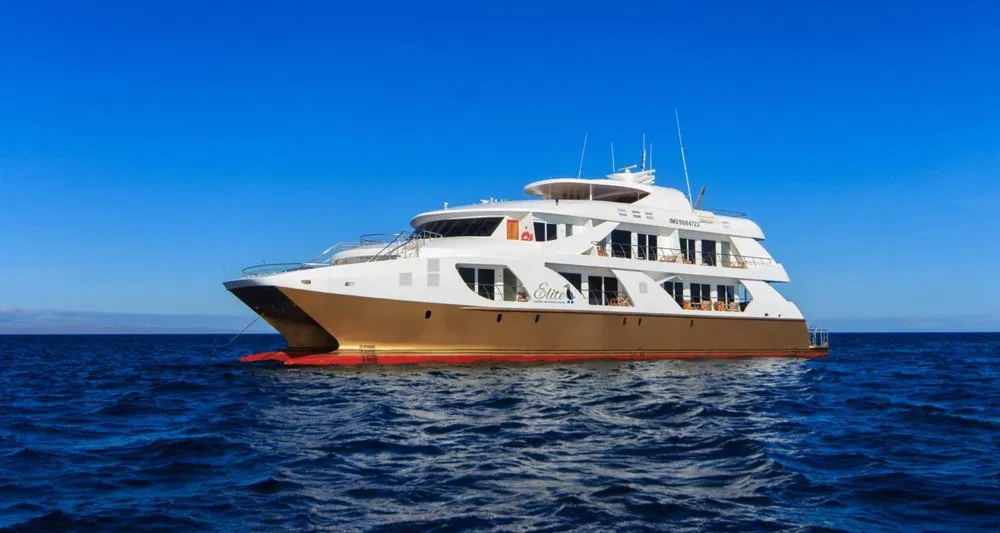
“Yacht cruise” gets used loosely in travel marketing — some products resemble a private yacht in atmosphere, while others are simply small luxury ships with a broader range of amenities. This category is not the same as chartering a private yacht for your own group. Professionally operated products may offer fewer passengers, personalized service, access to smaller harbors, upscale dining, and marina platforms or water-sports access on some vessels. Representative products include The Ritz-Carlton Yacht Collection, Windstar, SeaDream, Emerald Yacht Cruises, Scenic, Ponant, and Paul Gauguin Cruises — these brands are not interchangeable, so compare passenger capacity, dining structure, beverage inclusions, and age policies rather than assuming “yacht” automatically means all-inclusive luxury.
Strengths: a more relaxed, personal atmosphere with fewer guests; access to ports impractical for larger ships; a pace suited to lingering rather than rushing. Considerations: fewer restaurants and organized activities, a quieter social scene that won’t suit travelers who want constant entertainment, and some products are adults-focused or have minimum-age policies.
Yacht-style cruising is also distinct from a larger luxury ocean ship. Brands like Regent Seven Seas, Silversea, Seabourn, and Oceania show that a ship can offer a luxury experience — several dining venues, spacious public areas, a broad suite selection — without operating like a yacht. The right fit depends on whether your luxury priority is breadth of options or intimacy.
Expedition Cruising: Built Around Access
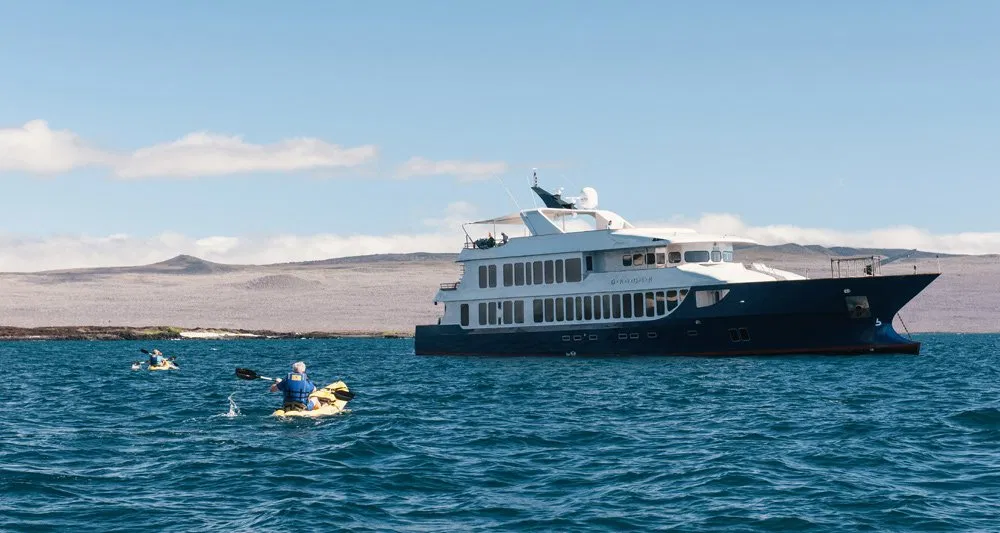
An expedition cruise is an exploration product — the ship is a base for reaching places difficult to experience through a conventional itinerary, such as Antarctica, the Arctic and Svalbard, the Galápagos, Greenland, and remote coastal regions. Operators may include Lindblad Expeditions, HX, Silversea Expeditions, Seabourn Expeditions, Ponant, Scenic, and Atlas Ocean Voyages — routes and vessels change, so confirm the operator’s active deployment for your dates. Ships commonly carry an expedition team of naturalists, historians, and other regional experts, with days built around Zodiac rides, shore landings, hiking, and onboard lectures.
Itineraries can and do change: weather, ice, wildlife, and local regulations can replace an expected landing with a Zodiac cruise or a different site. That flexibility is part of the product — you’re purchasing access and expert decision-making in a changing environment, not a rigid sequence of guaranteed stops. In Antarctica specifically, International Association of Antarctica Tour Operators guidelines cap landings at 100 passengers ashore from one ship at a time, and ships carrying 500 or more passengers do not make landings at all under the current visitor-management framework — confirm the specific vessel’s capacity and operating model before booking.
Expedition cruising can be comfortable or genuinely luxurious, but exploration remains the central product. If your priority is a casino, late-night show, or a large pool deck, a traditional ocean cruise will likely suit you better.
Who Each Style Suits
Large contemporary ocean ships generally provide the broadest family infrastructure — kids’ clubs, teen areas, family pools, and connecting cabins. River, yacht, and expedition cruises vary widely: some welcome families with dedicated programming, others have minimum-age rules or limited youth facilities, so verify the specific vessel and sailing before booking with children.
For couples, each style supports a different kind of shared trip: ocean cruising offers the widest range of budgets and entertainment; river cruising suits couples who want culture, food, and shared touring; yacht cruising suits those who prefer intimacy and quiet evenings; expedition cruising suits couples who share a serious interest in wildlife or remote destinations. For a honeymoon or anniversary, compare the actual suite, dining plan, and activity level rather than choosing a category based on the word “luxury” alone.
Accessibility depends on the vessel, gangways, and shore conditions more than the cruise category. Modern large ocean ships often have the most accessibility infrastructure — accessible cabins, elevators, adapted public spaces. River cruising can involve gangways, cobblestones, and rafting between vessels; smaller yachts may have fewer elevators or accessible cabins; expedition cruising can involve Zodiac boarding, wet landings, and uneven terrain. Ask for a vessel- and itinerary-specific assessment rather than assuming a category will meet your needs.
What You’ll Actually Spend
Ocean cruises often have a lower starting fare with more à la carte costs — alcoholic beverages, specialty dining, Wi-Fi, shore excursions, and gratuities can all be separate. River cruises may include some excursions, beverages, or transfers, but inclusions differ by brand and fare. Yacht and luxury products tend to be more inclusive, and expedition fares often include guides and equipment — but “often” doesn’t mean “always.” Before comparing options, list out the cruise fare, cabin category, dining and beverage costs, Wi-Fi, gratuities, excursions, transfers, and any pre- or post-cruise hotels. A more inclusive fare isn’t automatically cheaper overall — it just makes costs more predictable. A lower base fare can be the better value if you don’t plan to buy many extras.
Which Style Fits Which Destination
| Destination | Styles to Research | What Changes Between Them |
|---|---|---|
| Caribbean | Ocean or yacht/small ship | Ocean offers more ship amenities and broad pricing; yacht itineraries may reach smaller islands with a quieter atmosphere |
| Alaska | Ocean or expedition | Ocean combines scenic cruising with established ports; expedition emphasizes wildlife and remote coastlines |
| Mediterranean | Ocean, yacht, or small ship | Large ships offer more onboard variety; smaller vessels may visit intimate harbors |
| Danube and Rhine | River | The ship moves between historic cities, villages, and vineyards |
| Antarctica | Expedition | Zodiac operations, landings, wildlife, and weather-dependent planning define the experience |
| Galápagos | Expedition | Smaller vessels and guided island exploration emphasize wildlife and conservation |
| Greek Islands | Ocean or yacht/small ship | Ocean provides more onboard facilities; yacht products reach smaller ports for a more intimate feel |
If your destination is fixed, the choice of cruise style may narrow itself. If your preferred style is fixed, destination availability may narrow your options instead.
Common Mistakes When Choosing a Cruise Style
- Choosing solely by the lowest advertised fare, without comparing what’s included
- Booking a river cruise expecting large-ship entertainment, or an expedition cruise expecting a traditional theater
- Booking a yacht cruise expecting dozens of restaurants and large activity venues
- Assuming a smaller ship is automatically easier for limited mobility
- Assuming river cruises are exclusively for older travelers, or that yacht cruises are always all-inclusive
- Assuming an expedition cruise guarantees specific wildlife sightings
- Ignoring the physical demands of walking tours, gangways, landings, or Zodiacs
- Choosing the cruise style before deciding where you actually want to go
- Comparing cruise lines instead of the actual ship and sailing date
- Waiting until after booking to review age policies, accessibility, and included activities
Frequently Asked Questions
Is a river cruise better than an ocean cruise?
Neither is universally better. A river cruise suits travelers who prioritize history, architecture, food, and walking tours. An ocean cruise suits those who want more onboard entertainment, family facilities, dining venues, and a wider range of budgets.
What is a yacht cruise, exactly?
Generally an upscale or luxury small-ship cruise emphasizing fewer passengers, smaller harbors, and personalized service. It does not automatically mean a private yacht charter or all-inclusive pricing — compare the specific product’s inclusions.
Are expedition cruises physically demanding?
They can be. Expect walking on uneven terrain, boarding Zodiacs, wet or dry landings, and time outdoors in changing conditions. Requirements vary by operator and itinerary, so review activity levels before booking.
Are river cruises all-inclusive?
No. Some river cruise brands include excursions, beverages, Wi-Fi, or gratuities; others charge separately. Review the fare terms for the specific operator and sailing.
Which cruise style is best for first-time cruisers?
A mainstream ocean cruise is often a practical starting point given the range of activities, dining, and cabin categories — but a river, yacht, or expedition cruise can also work well for a first cruise if its destination and pace match your priorities.
What type of cruise has the fewest passengers?
Yacht and small-ship cruises often carry fewer passengers than mainstream ocean ships, and river and expedition ships also tend to be smaller — but capacity varies by vessel, so compare the actual ship rather than relying on category labels alone.
Finding the Cruise That Fits How You Travel
You don’t need to start by picking a cruise line. Start with where you want to go, what you want to experience, how active you want to be, and how much time you want onboard versus ashore. If you’d like help comparing ocean, river, yacht, and expedition options for your travel dates and budget, Cruise Planners – Neal Lewis & Associates can walk through the trade-offs with you at no planning fee. For more on choosing a cabin once you’ve settled on a style, see our Cruise Cabin Guide, or browse specific lines in our Cruise Line Explorer.
Leave a Reply