
Before you book your first cruise, five questions matter more than any specific ship or cruise line: Who’s traveling with you? What do you actually enjoy on vacation — relaxing, exploring, or a mix? Where do you want to go? What’s your realistic budget, including the extras that aren’t in the sticker price? And how many days can you actually take? Get honest answers to those first, and the rest of the decision — destination, then cruise line, then ship, then itinerary, then cabin — falls into place in a logical order instead of a confusing one.
Cruise or All-Inclusive Resort?
If you’re weighing a cruise against a resort stay, the honest answer is that both can deliver a great all-inclusive-style vacation, but they solve different problems. A cruise moves you to multiple destinations without repacking, while a resort keeps you in one place with no daily disembarkation logistics. If you’re still deciding between the two formats, our All-Inclusive Resorts guide covers the resort side of that comparison in depth.
How Much Does a Cruise Really Cost?
For a complete line-by-line breakdown, see our full cruise budget guide.
The advertised cruise fare is a starting point, not the total cost. A more realistic budget stacks together: the base fare (typically priced per person, double occupancy), gratuities, any drink or Wi-Fi package you want, specialty dining, shore excursions, transportation to and from the port (including a pre-cruise hotel night if you’re flying in), and spending money in port.
What’s typically included in the base fare: your stateroom, main dining room and buffet meals, most entertainment and onboard activities, and access to the ship’s pools and public spaces.
What typically costs extra: gratuities, alcoholic and specialty beverages, Wi-Fi, specialty restaurants, spa services, photos, shore excursions, and casino play.
Choosing a Cruise Style
Mainstream ocean cruise lines (Royal Caribbean, Carnival, Norwegian, MSC, Celebrity, Princess, Holland America) offer the widest range of itineraries, price points, and ship sizes, and are the natural starting point for most first-time cruisers. Premium and luxury ocean lines trade some of the resort-style scale for a more refined, less crowded experience at a higher price. River cruises are a very different style — smaller, slower-paced, destination-focused, with the ship docking in or near a city center each day. Expedition cruises focus on remote, less-visited destinations (Antarctica, the Galapagos, parts of Alaska) with an emphasis on excursions and expert-led exploration rather than onboard entertainment. For a full comparison of these formats, see our Ocean vs. River vs. Yacht vs. Expedition Cruises guide.
Choosing a Cruise Line and Ship
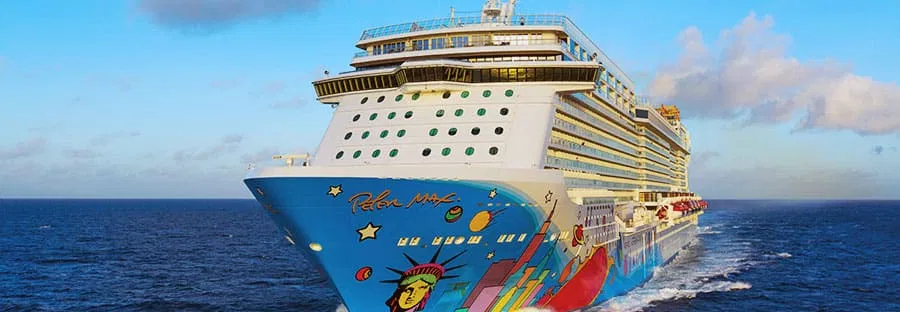
Cruise line, ship, and itinerary together determine your actual vacation experience — two ships from the same cruise line can feel very different depending on their size, age, and the itinerary they sail. Rather than reproduce a full brand-by-brand breakdown here, we’ve built a dedicated tool for this: our Cruise Line Explorer matches your travel style to the cruise lines that fit it best. If Norwegian Cruise Line is on your shortlist, also see our breakdown of the current Free at Sea promotion, since it materially changes what’s included in NCL’s fare.
| Ship Size | Best For | Trade-Off |
|---|---|---|
| Mega/large ships | Widest range of activities, dining, and entertainment; strong for families and first-timers who want lots to do | Larger crowds, longer lines at peak times, less port-side character |
| Mid-size ships | A balance of onboard variety with a somewhat calmer atmosphere | Fewer dining/entertainment venues than mega-ships |
| Small ships | Quieter, more port-intensive itineraries, often premium or luxury lines | Less onboard variety; typically higher per-day price |
Itinerary vs. Ship: Which Comes First?
Choose the ship first when you’re looking at the Caribbean or Bahamas and the onboard experience is a major part of the vacation — most ships sailing those routes offer a broadly similar mix of ports, so the ship itself becomes the differentiator. Choose the destination first for Alaska, the Mediterranean, river cruising, or expedition cruising, where the itinerary and ports are the whole point, and the ship is more of a means to an end.
For length, seven nights is often the sweet spot for a first cruise — long enough to settle in and enjoy sea days without feeling rushed port to port, and it’s the most common itinerary length for Caribbean sailings. A 3–4 night cruise is a reasonable lower-commitment way to try cruising, but expect a faster pace with less time to relax.
Cabin Types
The four basic categories are inside (no window, lowest cost), oceanview (a window or porthole, no access to open air), balcony (private outdoor space), and suite (more room, often added perks like priority boarding or specialty dining). Beyond category, location on the ship matters: cabins at midship generally experience the least motion, cabins near elevators or under entertainment venues can be noisier, and connecting cabins are worth requesting early if you’re traveling with family since they sell out first. For a full breakdown of every category and how to pick a deck location, see our Cruise Cabin Guide.
What’s Included, Drink Packages, Dining, and Wi-Fi
Most mainstream fares include your cabin, main dining room, buffet, standard entertainment, pools, and many onboard activities. Specialty dining, alcoholic drinks, soda, Wi-Fi, spa treatments, and shore excursions are typically extra unless you’ve booked a fare or promotion that bundles them in.
Whether a drink package is worth it comes down to a simple break-even calculation: add up what you’d realistically spend per day on drinks — à la carte alcoholic beverage prices onboard commonly run $10–$15 each — and compare that to the package’s per-day price. Heavy drinkers often come out ahead; light or occasional drinkers usually don’t.
Main dining rooms may offer fixed seating or flexible dining depending on the line; specialty restaurants carry an extra cover charge but are usually smaller and more polished. Shipboard Wi-Fi is generally slower and pricier than what you’re used to at home — most lines sell day, package, or streaming-tier options, and it’s worth downloading your cruise line’s app before you sail, since many lines now use it for dining reservations, daily schedules, and muster-drill check-in.
Passports, REAL ID, and Travel Insurance
Document requirements depend on your citizenship, itinerary, embarkation port, and the cruise line’s own rules. For some closed-loop cruises — sailings that begin and end at the same U.S. port and visit only Mexico, Canada, the Caribbean, the Bahamas, or Bermuda — U.S. citizens may be able to travel with a birth certificate and a REAL ID-compliant government-issued photo ID instead of a passport book. Many itineraries still require a passport, though, including most one-way sailings, international embarkation ports, Panama Canal crossings, and other more complex routes.
REAL ID is not a cruise document. It doesn’t replace a passport or prove citizenship for international travel — its relevance is domestic airport screening if you’re flying to your port within the U.S. Cruise lines and government sources both generally recommend traveling with a valid passport book even when an alternate document is technically allowed: if you miss the ship, have a medical emergency, or face an itinerary disruption, reentering the U.S. or continuing travel internationally is far easier with a passport. Always verify current requirements directly with your cruise line and official government sources before final payment and again before departure, since rules can change.
Travel insurance can cover trip cancellation, interruption, medical expenses, emergency evacuation, and travel delay or baggage issues, depending on the policy — domestic health insurance often doesn’t apply the same way outside the U.S. Review exclusions and pre-existing-condition language before buying, and don’t treat any policy as an absolute guarantee.
Shore Excursions and Private Islands
On port days you can book a cruise-line excursion (more convenient, often pricier), arrange an independent tour (usually smaller groups and lower cost, but you’re responsible for timing), or explore independently. Whichever you choose, always confirm the ship’s “all-aboard” time before you go — ship time and local time can differ, and the ship generally won’t wait.
Many mainstream lines also operate their own private island or beach destination as part of select itineraries — Royal Caribbean’s Perfect Day at CocoCay, MSC’s Ocean Cay Marine Reserve, Norwegian’s Great Stirrup Cay, Carnival’s Celebration Key, and Disney’s Castaway Cay and Lookout Cay are current examples. What’s included at each (food, drinks, beach and pool access) varies by line, so check current details rather than assuming they’re interchangeable.
Docking vs. Tendering on Port Days
Not every port works the same way. On a docking (pier) day, the ship ties up alongside and you walk straight off — quick and easy, with a simple card-scan to get back on. On a tender day, the ship anchors offshore and a small boat ferries passengers to land, which can mean timed tickets, lines, and a choppier ride depending on conditions. Either way, pay close attention to the ship’s posted “all-aboard” or “back on board” time — that’s when you must be scanned back onto the ship, not when you should be arriving at the pier, and the ship generally won’t wait for independent travelers who are late.
Embarkation Day and What to Pack
Embarkation typically means checking in, handing off luggage, going through security, verifying documents, and completing a mandatory muster (safety) procedure before you can access your cabin — your checked luggage usually arrives at your cabin later in the afternoon. Pack documents, medications, valuables, chargers, sunscreen, and a swimsuit in your carry-on so you’re not without them for the first few hours onboard. If you’re flying to your port, arriving at least one day before embarkation is worth the extra hotel night, since flight delays or baggage problems can otherwise put your entire cruise at risk.
At the terminal, porters will take your checked luggage curbside and load it for delivery to your cabin later that day — a cash tip of roughly $2–$5 per bag is customary. Once onboard, your stateroom steward keeps your cabin refreshed (often once or twice a day depending on the line) and can help with extra pillows, ice, or special requests — daily gratuities already cover this service, but many travelers add a bit extra for standout help.
Check your specific cruise line’s current prohibited-items list before packing — irons, steamers, candles, and certain power strips are commonly restricted for fire-safety reasons, and alcohol allowances vary by line.
Debarkation Day
On the last night, most lines offer two options for getting your luggage off the ship. With standard luggage, you tag your bags and set them outside your door the night before; the crew handles them, and you collect them in the terminal the next morning like baggage claim. With self-assist (or “walk-off”), you keep all your bags with you and disembark as soon as your group or self-assist time is called — usually the fastest way off, which matters if you have an early flight, but you’re hauling everything yourself. Either way, check your final onboard bill before you leave the ship — it’s much easier to resolve a charge while you’re still onboard than after you’re home.
Choosing a Destination
The Caribbean and Bahamas are the classic first-cruise choice: warm weather nearly year-round, short flights for most East Coast and Midwest travelers, and the widest range of ship and itinerary options. Alaska is a strong pick if you want scenery over beach time, but it’s seasonal (roughly May–September) and tends to run cooler and pricier per day. The Mediterranean rewards a second or third cruise more than a first — long flights, port-intensive days, and a steeper overall cost make it a bigger commitment. Closer-to-home options like the Mexican Riviera (West Coast departures) and short 3–4 night Bahamas runs are good low-commitment ways to try cruising before booking something longer.
When to Book, and Common First-Cruise Mistakes
Cabin categories and the best pricing tend to disappear well before sailing, so booking several months out — sometimes 6–12 months for peak weeks like spring break, summer, or holidays — generally gets you more cabin choice and a better rate than waiting for a last-minute deal. Booking directly with a cruise line or through a travel advisor at no extra cost to you (advisors are typically paid by the cruise line, not the traveler) also gets you a real point of contact if your sailing changes.
A few mistakes trip up most first-time cruisers:
- Booking the cheapest inside cabin without checking its deck location, then being surprised by noise from a venue overhead
- Not booking specialty dining, shows, or excursions until they’re already sold out
- Underestimating gratuities and drink-package costs when comparing the total price against an all-inclusive resort
- Booking an excursion that returns close to all-aboard time, with no buffer for delays
- Flying in the same day as embarkation instead of the day before
- Skipping travel insurance on a cruise that involves flights, multiple ports, or a significant upfront cost
- Not downloading the cruise line’s app before departure, then missing dining and muster-drill instructions
Frequently Asked Questions
Is a cruise a good vacation for a first-timer nervous about seasickness?
Most modern ships are large and stabilized enough that motion is mild on most days. If you’re prone to motion sickness, a cabin at midship on a lower-to-mid deck experiences less movement than a cabin at the front or back of the ship, and over-the-counter or prescription remedies work well for most people.
Do I need a passport for my first cruise?
It depends on your itinerary and embarkation port. Even on cruises where an alternate document is technically allowed, a passport book is the safer choice in case of a missed ship or itinerary change. Confirm exact requirements with your cruise line before booking.
How much should I budget beyond the cruise fare?
Plan for gratuities (major mainstream lines have raised rates in 2026, and most now run roughly $17–$25 per person, per day depending on the line and cabin category), any drink or Wi-Fi packages you want, specialty dining, shore excursions, and spending money for ports. For many mainstream cruises, budgeting roughly 25–40% of your cruise fare for these extras is a reasonable starting point, though it varies widely by how you like to travel.
What’s the difference between an inside cabin and a balcony for a first cruise?
An inside cabin costs less and is fine if you plan to spend most of your time exploring the ship. A balcony adds private outdoor space and natural light, which some first-time cruisers find makes a real difference in comfort over a full week. See our Cruise Cabin Guide for a full category-by-category breakdown.
Ready to find the right cruise line, ship, and itinerary for your first sailing? We help first-time cruisers compare options and book with confidence, at no extra cost to you. Explore our Cruise Line Explorer, review our Cruise Cabin Guide, check Norwegian’s Free at Sea promotion if NCL is on your list, or browse all of our Cruise Guides. Or reach out directly at landaircruise.com to start planning.
Leave a Reply